
Explore Diploma Electronics Course Options for a Bright Future
Choosing the right diploma electronics course can shape your career. After 10th, 12th, or graduation, many students look for practical and skill-based education. Electronics is a field with vast opportunities. It offers hands-on learning and job-ready skills. I will guide you through diploma electronics course options. This will help you make an informed decision.
Diploma Electronics Course Options to Consider
Diploma courses in electronics cover various topics. They focus on fundamentals and applications. Here are some popular diploma electronics course options:
Diploma in Electronics Engineering
This course covers basic electronics, circuit design, and digital systems. It is ideal for students who want to work in manufacturing or repair sectors.
Diploma in Electronics and Communication Engineering
This course adds communication systems to the electronics syllabus. It prepares students for roles in telecom, broadcasting, and networking.
Diploma in Industrial Electronics
This course focuses on electronics used in industries. It includes automation, control systems, and robotics.
Diploma in Embedded Systems
This course teaches microcontrollers and embedded programming. It suits students interested in IoT and smart devices.
Diploma in Power Electronics
This course deals with power control and conversion. It is useful for careers in energy and electrical equipment.
Each course has a different focus. Choose based on your interest and career goals. Many institutes offer these courses with practical labs and projects. This hands-on approach is crucial for skill development.
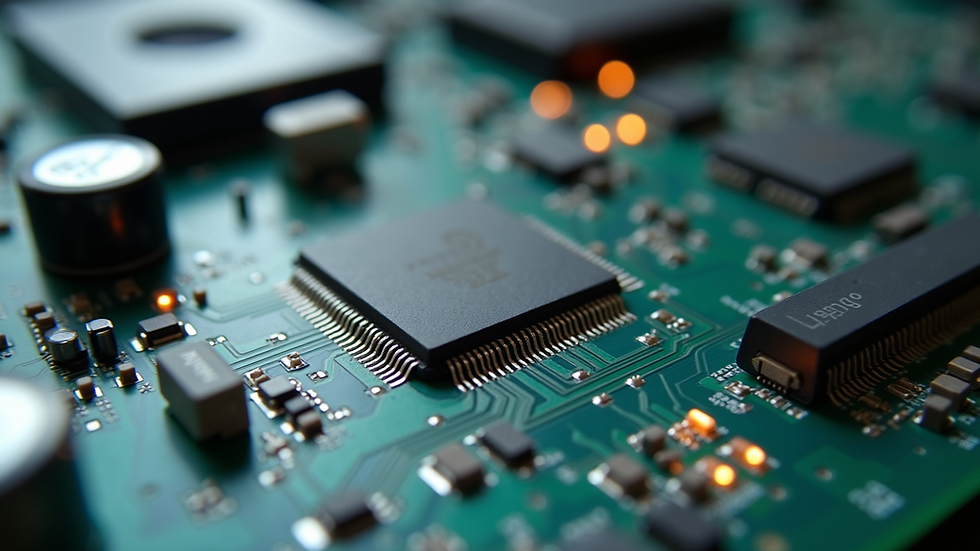
What are the 5 Basic Electronics?
Understanding the basics is key to success in electronics. Here are the five basic electronics components you will study:
Resistors
They control current flow in a circuit.
Capacitors
They store and release electrical energy.
Inductors
They store energy in a magnetic field when current passes through.
Diodes
They allow current to flow in one direction only.
Transistors
They amplify or switch electronic signals.
These components form the foundation of all electronic devices. Learning how they work and interact is essential. Diploma courses provide detailed knowledge and practical experience with these parts.
Skills You Gain from Diploma Electronics Courses
Diploma electronics courses teach both theory and practice. You gain skills that employers value. Some key skills include:
Circuit Design and Analysis
Learn to design and troubleshoot electronic circuits.
Soldering and Assembly
Hands-on skills to build and repair devices.
Programming Microcontrollers
For embedded systems and automation.
Understanding Communication Systems
Basics of wireless and wired communication.
Use of Testing Equipment
Learn to use multimeters, oscilloscopes, and signal generators.
These skills prepare you for jobs in various sectors. You can work in manufacturing, service, telecom, or research.

Career Opportunities After Diploma in Electronics
A diploma in electronics opens many doors. You can find jobs in:
Electronics Technician
Repair and maintain electronic equipment.
Field Service Engineer
Provide on-site support for electronic systems.
Production Supervisor
Oversee manufacturing of electronic products.
Telecom Technician
Install and maintain communication networks.
Embedded Systems Developer
Work on programming and testing embedded devices.
Many diploma holders also pursue further studies. You can enroll in degree courses or specialized certifications. This boosts your career prospects and salary potential.
How to Choose the Right Diploma Electronics Course
Choosing the right course is important. Here are some tips:
Check Course Curriculum
Ensure it covers topics you want to learn.
Look for Practical Training
Hands-on labs and projects are essential.
Consider Institute Reputation
Choose recognized and well-reviewed institutes.
Review Placement Support
Institutes with good placement records help you find jobs.
Assess Course Duration and Fees
Pick a course that fits your budget and timeline.
By following these steps, you can select a course that matches your goals. Remember, the right diploma electronics course can be a stepping stone to a successful career.
For more details on the top diploma electronics courses, visit the link and explore options that suit you best.
Taking the Next Step in Your Electronics Career
After completing a diploma, keep learning. Technology changes fast. Stay updated with new tools and techniques. Join workshops, online courses, and certifications. This will keep your skills relevant.
Networking with professionals and joining electronics clubs can also help. It opens doors to internships and job opportunities.
Remember, a diploma is just the start. Your dedication and continuous learning will define your success in electronics.
This guide aims to help you understand diploma electronics course options clearly. Choose wisely and prepare for a rewarding career in electronics.



Comments